The Treaty of Waitangi Digital Reading Comprehension Activity
Description
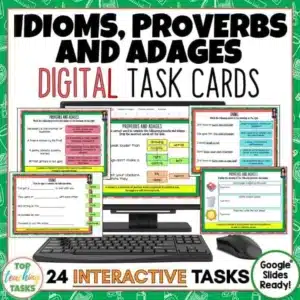
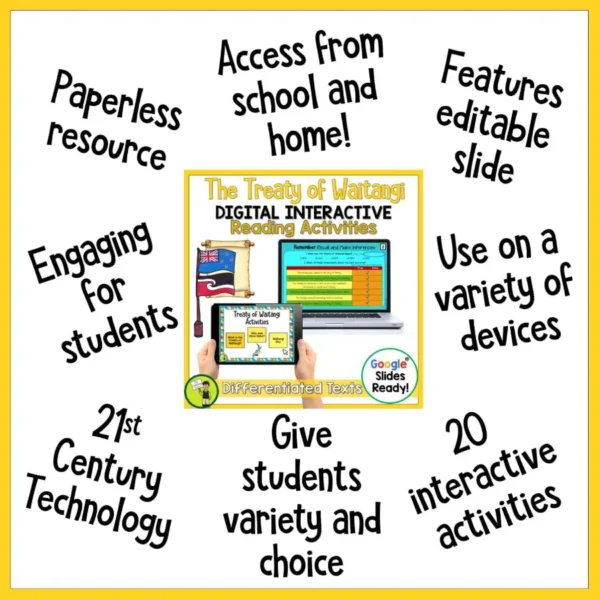
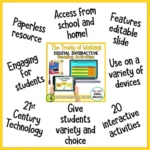
Go paperless with our Treaty of Waitangi Digital reading comprehension resource! Learn about Waitangi Day and the history of Te Tiriti o Waitangi with our differentiated reading passages and questions. This Google Slides resource includes three passages (at two levels) with six unique slides of engaging text-dependent questions and higher-order thinking interactive tasks.
In this Treaty of Waitangi Digital resource, you will receive:
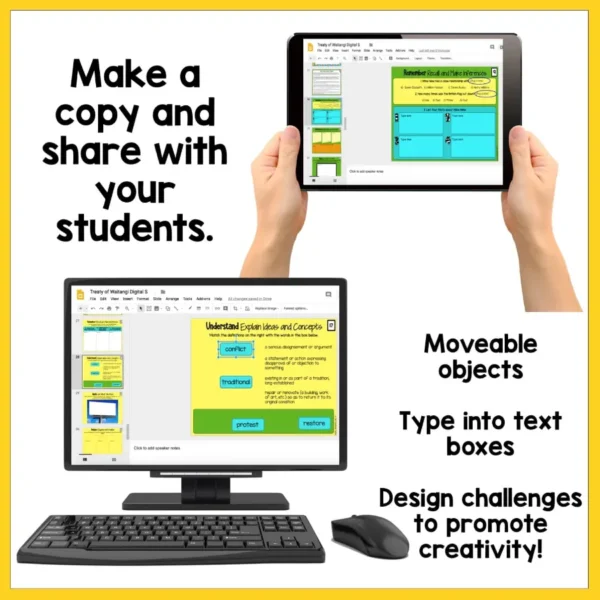
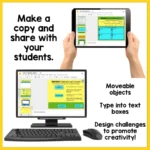
1. Full instructions on how to use this Google Slides resource, and how to share it with your students.
2. Tips for using Google Slides for teachers AND students
3. Three texts – all with an extended and scaffold version:
- Te Tiriti o Waitangi/The Treaty of Waitangi
- The extended version is a School Journal article provided in PDF form.
- Who was Hōne Heke
- Waitangi Day
These passages are provided as Google Slides and in PDF form. This resource can be used on Chromebooks, iPads, Android Tablets, and other devices!
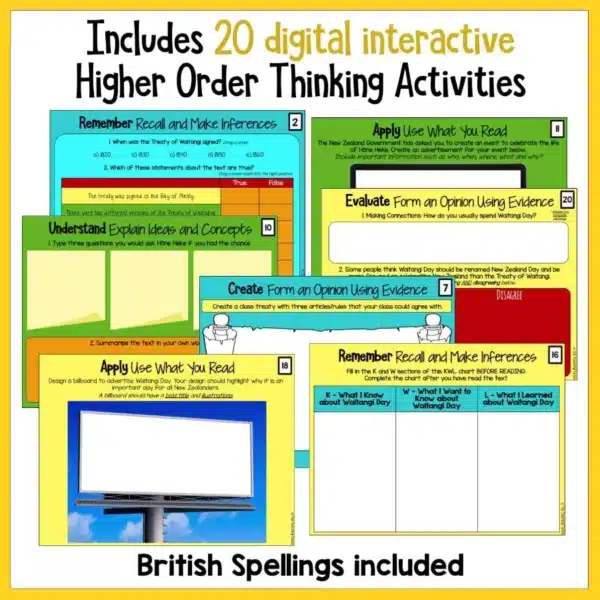
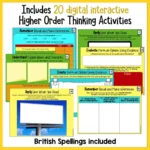
4. SIX unique Higher Order Thinking Activities based on Blooms Taxonomy and aligned with the CCSS and the NZ Curriculum (20 activities in total)
- Remember
- Understand
- Apply
- Analyse
- Evaluate
- Create
Reading Comprehension Strategies included:
- Make Connections
- Find Facts and Details
- Make Inferences
- Identify the Main Idea
- Ask and Answer Questions
- Understand and Use Vocabulary
- Sequence
- Summarise
- Synthesize
- Make Predictions
5. Teacher Answer Key for applicable questions
Aotearoa New Zealand Curriculum Links:
Tino rangatiratanga me te kāwanatanga | Government and organisation
- Te Tiriti o Waitangi | The Treaty of Waitangi was signed in different places. The two versions of the Treaty say different things about who would have authority. Māori understandings were based on the version in te reo Māori, which the vast majority of Māori signed.